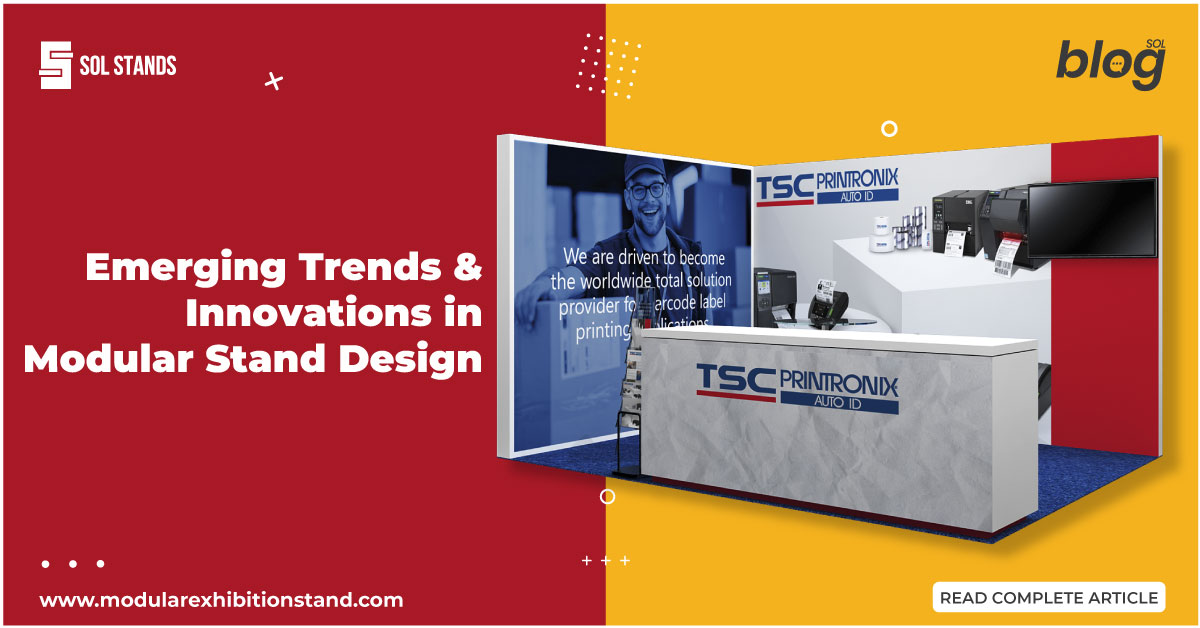
Modular stands are relatively new features of exhibition and event services that have gained much attention from clients in recent years. As modular stand systems develop, there are some trends and innovations that can be determined, which give the event organizers more advantages in flexibility, better sustainability, cost-effectiveness, and, most importantly – visual appearance.
In this article, the author seeks to discuss some of the modern advances in the use of modular stands for exhibition stands.
Simplified Customization
Among them, modular stands with relatively simple form divisions for customization are developing in the trend. Wireless structures and integrated components allow exhibitors to change the dimensions, configurations, branding and functions of a stand quickly and independently of the design.
- Reconfigurability is the case as a standardized connection between beams, panels and accessories facilitates reconfiguration of the layouts. Substantial use is made of tubular steel and aluminum to create lighting fixtures, shelves, monitors and furniture to change the feel and use in a short time.
- Recommended sizes and shapes for the base of the stand, depending on the size of the stand foot, help to save time in the initial stages of work. Brandable back walls, counters, towers, and signage are available for significant decorative possibilities.
- Easy-to-use online configurators and 3D visualization facilitate the stand design and construction and enable the exhibitors to set up the modular stand individually. Customers can directly specify the desired object, and its fabrication does not require considerable time and money to be spent.
Innovative Materials
Another key modular stand behavior is the deployment of new and innovative materials, which enhance the beauty, use and recyclability of the stands. Some key materials that more designers are incorporating include:
- Kinetic Steel: It can be shaped into glossy, curved shapes, which proves to be useful when constructing stands. It also has a contemporary and luxurious look, which means that it will blend well with most offices and other places of work.
- Fabric Panels: Materials such as stretch fabric and lycra are being applied to develop drapes that are used in the construction of back walls and ceilings. They give an appearance and feel that is warm but not overly plush.
- Eco-Friendly Materials: Some innovations have been employed that ensure that stands are made from bamboo, recycled plastics and other environmentally friendly materials to enable more sustainable stands to be created with a lot of style.
Creative Design Elements
Besides new material, creative stand elements are being introduced to the market to enhance product presentations, conventions, communication and memorable exhibitor experiences. Some top creative elements include:
- Dynamic Lighting: Smart LED lights and lightboxes are also programmable, which enables exhibitors to display the kind of light they want. These can underscore or call attention to certain products or brands’ messages.
- Digital Signage: The LCD and LED screens can be installed on the stands seamlessly and can be utilized to place the company’s product videos, graphics, etc.
- Charging Stations: Given that people carry their mobile devices almost everywhere, they will find charging stations useful for their mobile devices, apart from acting as a branding asset.
Flexible Modular Systems
Traditional constructions of highly individual and bespoke stands specific to the event are used less in favor of modular systems that are more adjustable for the space. These systems include:
- Reusable Components: Products such as wall panels, shelves, seating, etc., can be reassigned to different positions in the room. This makes it cost-effective as it eliminates occurrences of having to cater for an event that will not be held.
- Customizable Pods: They are freestanding units that can function as standalone display cases or private conference rooms. Pods are very flexible in the sense that they can be repositioned and reconfigured in some way.
- Expandable Frames: Modularity: Aluminum extrusion frames with clamp or clip connections enable individuals to add more sections or remove sections to expand or reduce the size of the structure easily.
Multi-Functional Zones
Modular stands are to be developed with several zones of activity relevant to the various activities that are to be conducted in the stand. Key zones to consider include:
- Product Display Areas: It changes whether you are in a grocery store with small products on the shelves, an industrial store with large equipment on the floor, or an electronics store with touch screens for client interaction with virtual products.
- Theater Areas: When presenting ideas and performing, the audience and large projection surfaces like that of theater-style arrangement are best.
- Private Meeting Areas: Round-shaped booths or meeting tables that have been incorporated into the design provide areas that enable company officials to have private discussions with the visitors.
- Networking Spaces: Many exhibition layouts are done in such a way that they allow free and unrestricted movement to enable interaction between visitors and exhibitors.
Experiential Engagement
The last and newest trend in modular stand design is the concept of making visitors’ experiences more enjoyable and memorable. Such a renewal of engagement is deeper than mere interaction with products to develop sentimental attachments. Some key engagement ideas include:
- Immersive Environments: Lighting, audio, touch and smell, and other elements will help create attractive and interesting worlds in which people will be interested in getting lost.
- Product Demonstrations: To engage the visceral level, help visitors touch the products in some way so that they may find them appealing emotionally.
- Interactive Elements: For visitors, it is highly recommended that touchscreens, virtual reality, integration with devices, and other interesting features be installed, allowing guests to engage.
- Takeaways & Gifts: Ensure that visitors leave the show carrying with them some company’s products or other products with the company’s logo that has a long-lasting impression compared to the mere floor displays.
Conclusion
With modular stands being more contemporary in design than traditional stands as they progress, exhibitors will likely incorporate further new trends in the use of materials, the design of the stand and the visitors’ experience. There is a gradual movement away from just showcasing the products and aiming more towards the creation of brand narratives.
Applying the latest modular stand innovations provided above can assist your brand in creating a sensation for the next trade show or a special event. The adaptability and freedom of the modular strategies make it possible for the exhibit designs to have no limit as to how far they can go in the future.